From Berlin to London
Luc Bellier Gallery — 10 September – 30 October 2008
At a time when Europe is completing its transformation into an economic and cultural reality, we are proud to present the exhibition "From Berlin to London, works from a private European collection", which continues the gallery's approach, on the margins of the trends of the Paris art market. It is a European exhibition in more ways than one: in its subject, the history of the continent, in the nationality of the artists as well as that of the collection, and in its venue. For the gallery, after exhibitions devoted to photography, it marks a return to the fundamental medium of modern art: painting; but it also expresses a curiosity for a distinctly non-French strand of modern art, in the wake of the Edvard Munch exhibition in 2002... then Ensor, Dix and Kubin, and up to today, Constable, Sickert, Nolde, Beckmann and Paula Rego.
It is a paradox, but also a fact, that most of these artists are little known and poorly represented in French collections, while they are better represented in those of countries that are readily considered of lesser importance. The history of France and its institutions is also a history of choices: Paris accounted for more than half of the world's auction volume at the end of the 1950s; every artist passed through the city or stayed there for long periods. Munch, Beckmann, "the German Picasso", and of course Picasso himself, whose first painting the French State bought only in 1966.
At first sight, it does not seem natural to draw a parallel between artists of different generations and nationalities, such as Nolde, Beckmann, Bomberg or Kossoff. Nonetheless, some lived through the two great wars of the 20th century, of which the others found themselves the heirs. What is at stake here is a twofold lineage, artistic and historical, so fully did the German and English painters carry figurative art forward and embody the human clay. From the warrior utopia of Dix and the Dada drinking bouts of Grosz, to the bodily obsession of Freud and Auerbach, the constancy of their interpretation of the human condition, with its faces, its bodies, its buildings and its need to survive, is unique in Europe.
Luc Bellier
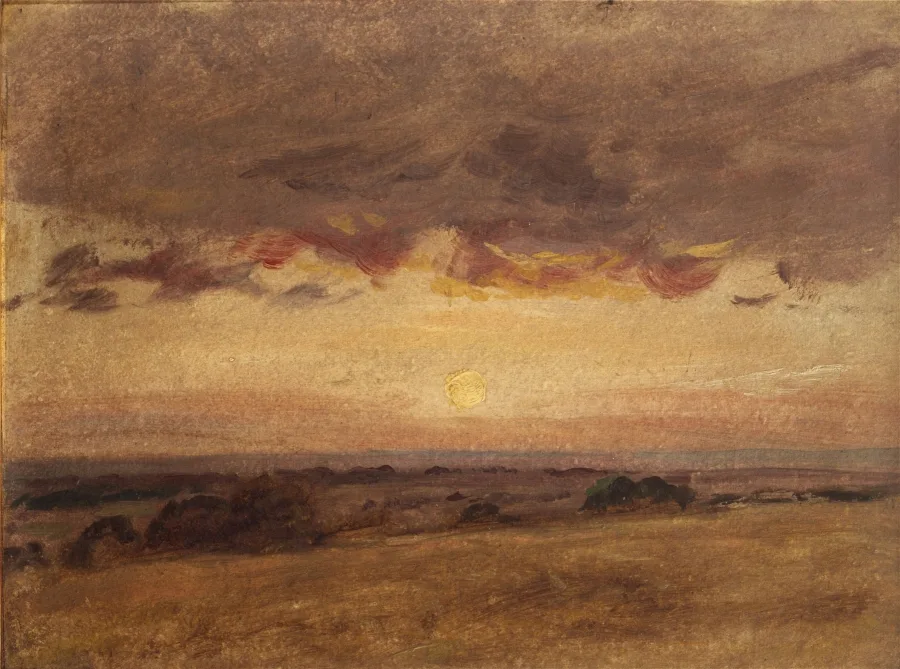
John Constable, Summer evening with storm clouds, c.1825
Oil on paper, 22 × 29 cm
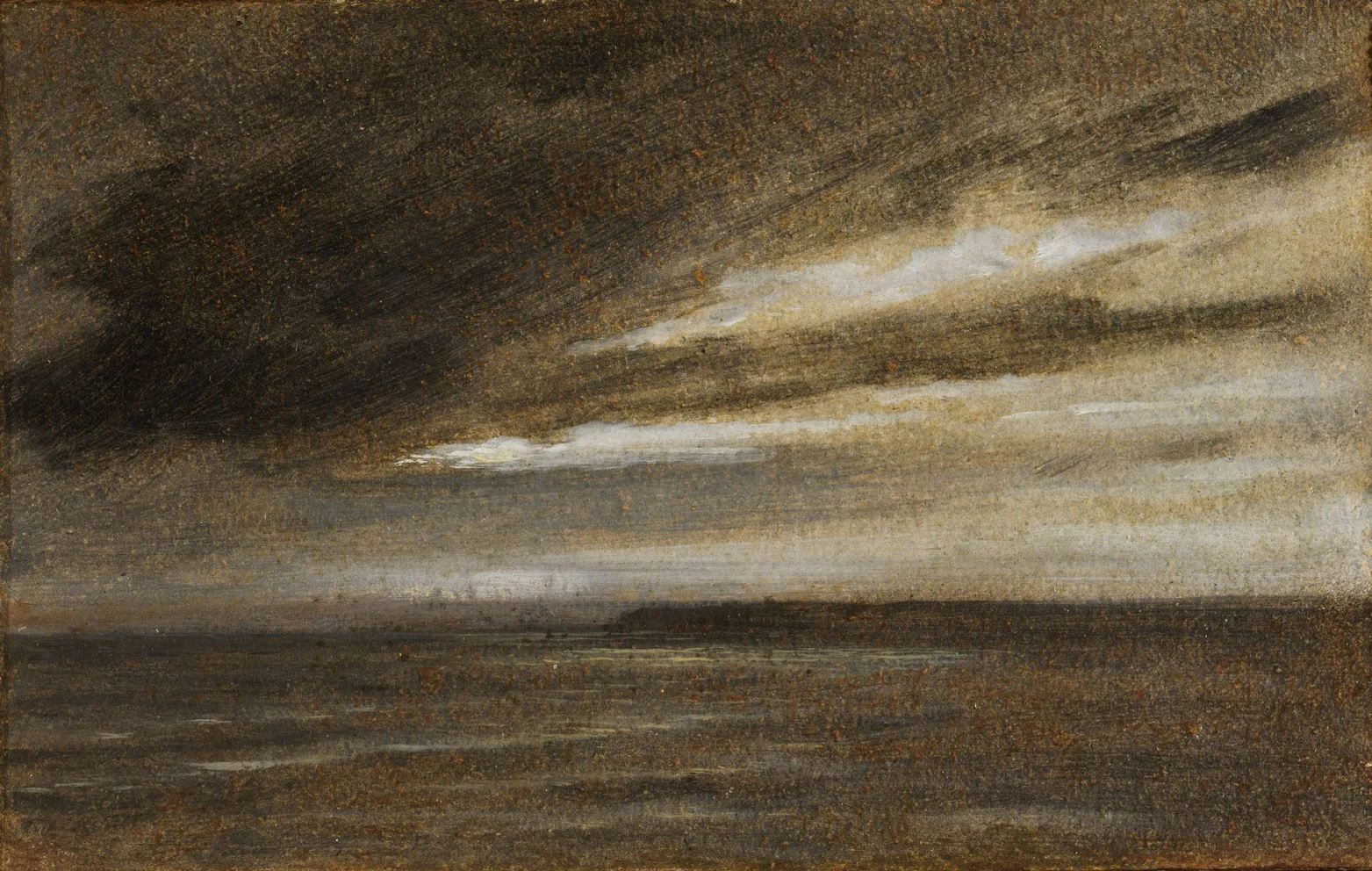
John Constable, Summer evening with storm clouds, c.1825
Oil on paper 22 × 29 cm
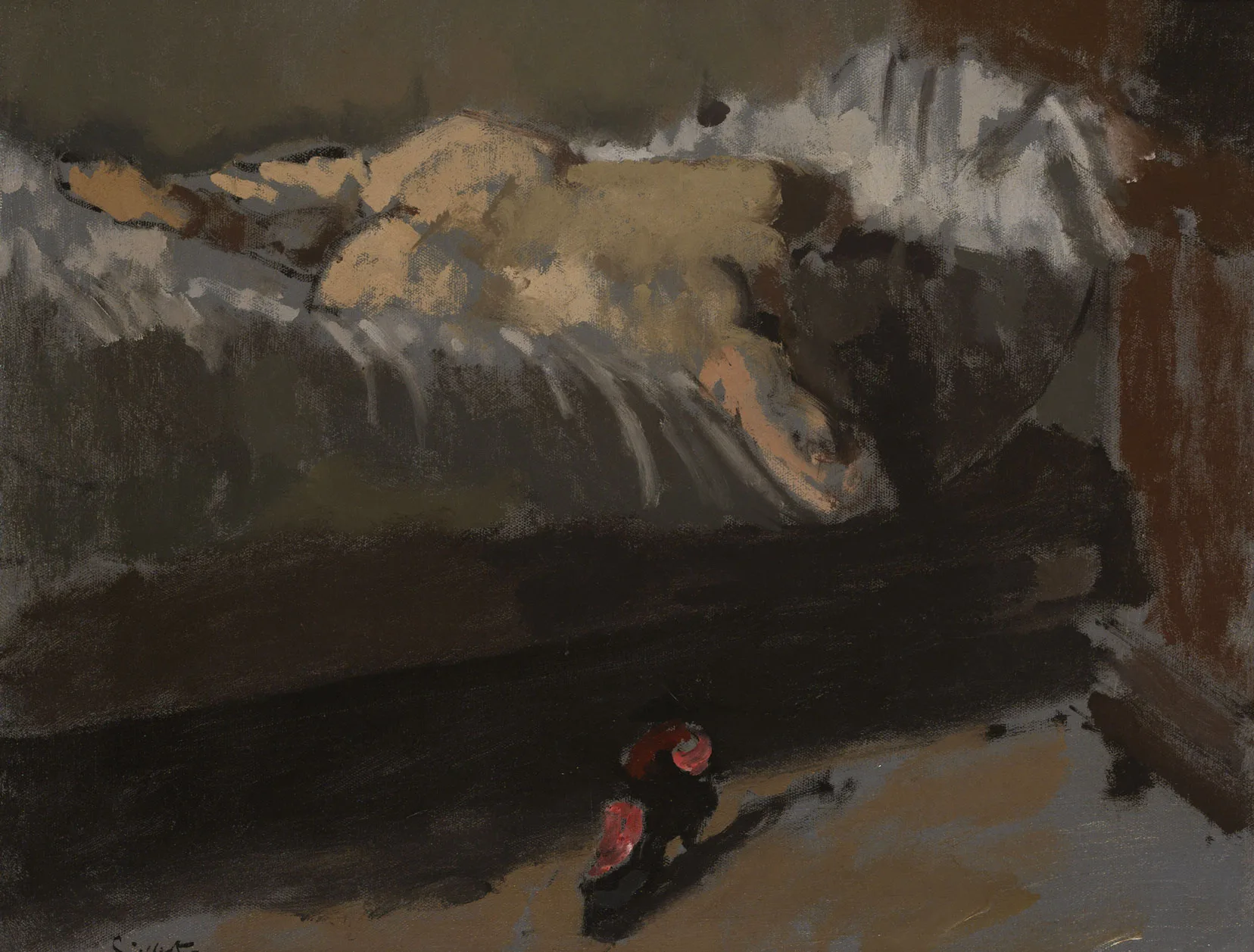
Walter Richard Sickert, The rose shoe, c.1904-05
Oil on canvas 38.1 × 47.7 cm
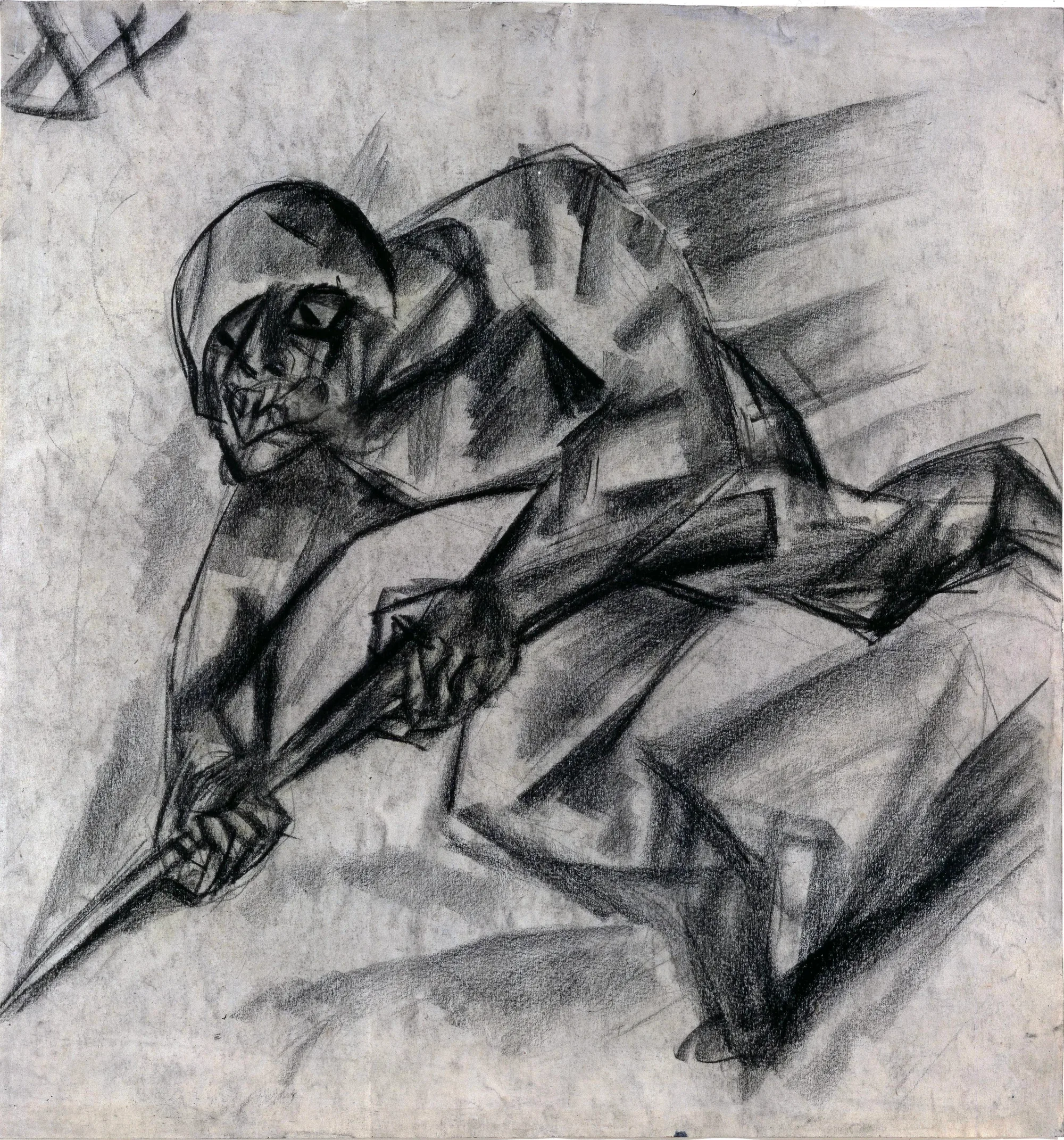
Otto Dix, Stürmender, 1916
Charcoal on paper 41.4 × 39 cm
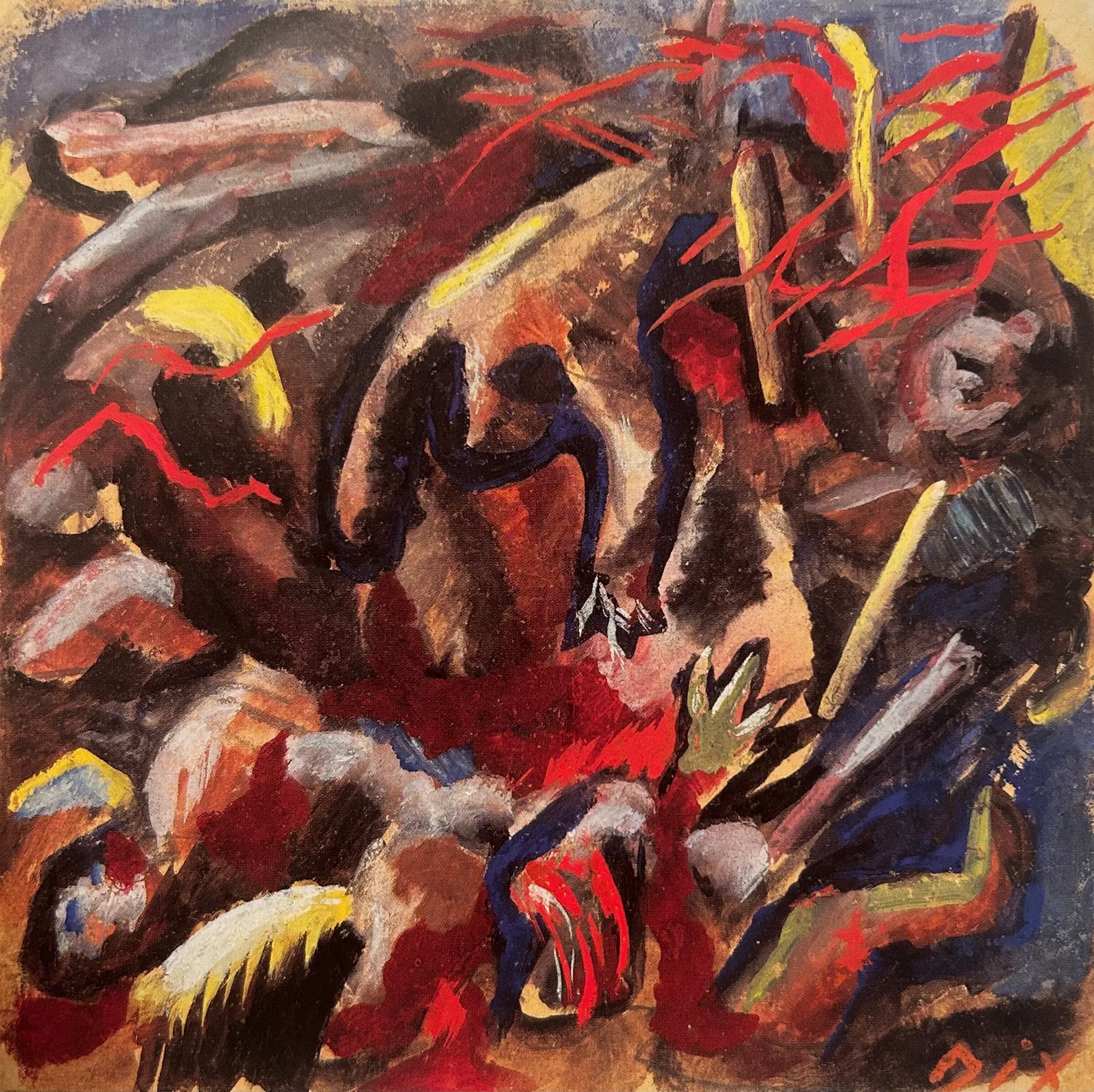
Otto Dix, Grabenkampf, 1917
Gouache on paper laid down on board 39 × 41 cm
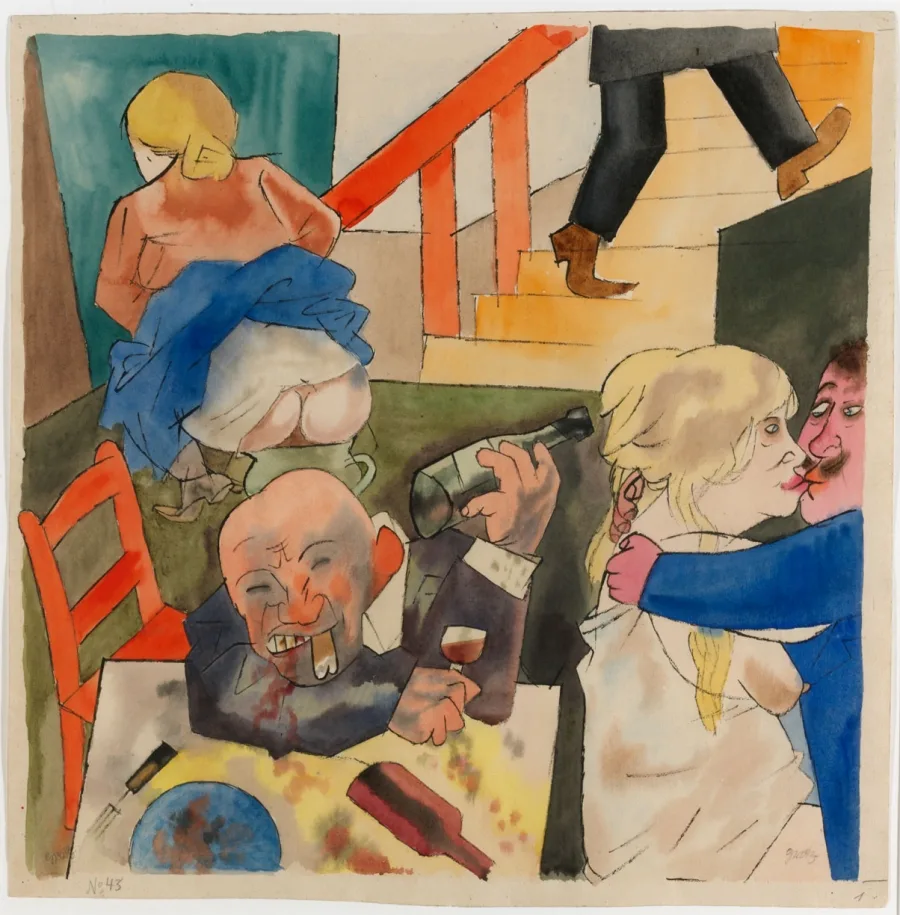
George Grosz, Orgie, c.1922
Watercolour, red crayon, pencil and Indian ink 50.5 × 49.5 cm Signed lower right with the annotation "1", and signed again lower left with the annotation "No 43"
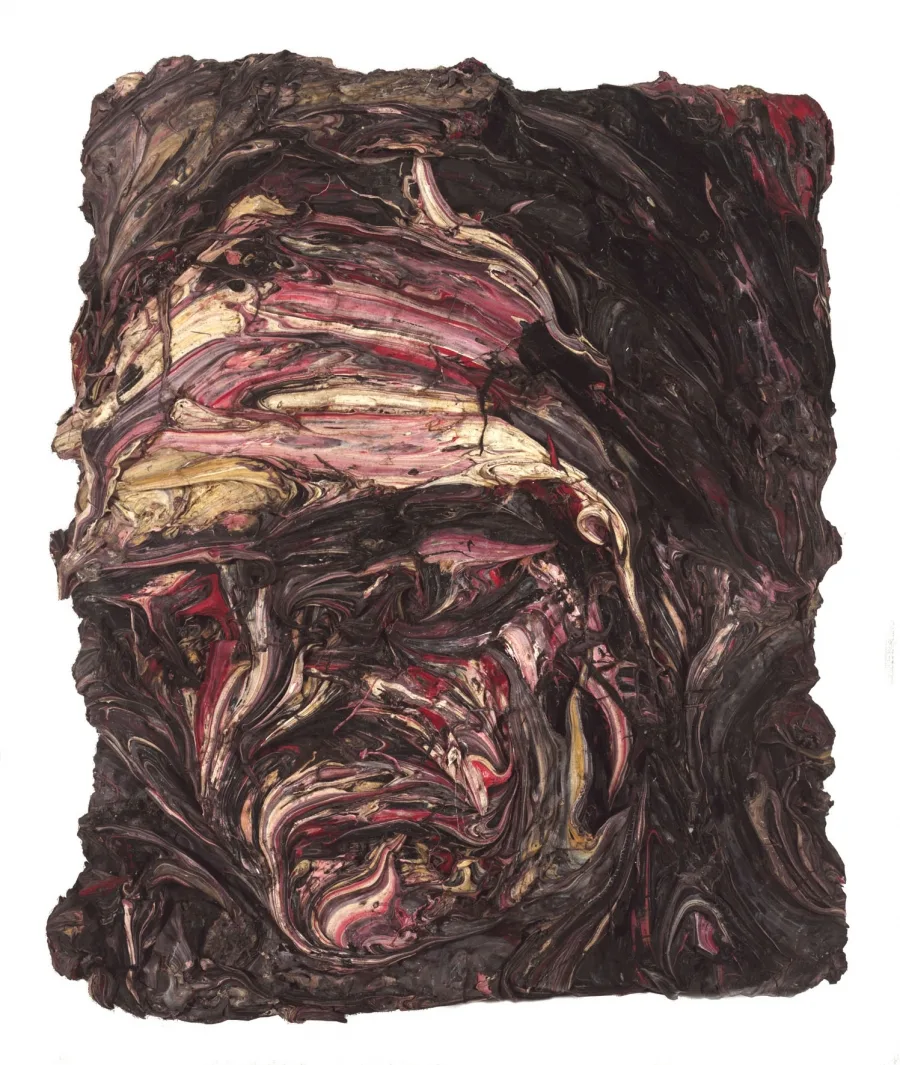
Leon Kossoff, Head of a Woman, 1926
Oil on board, 27.9 × 24.1 cm
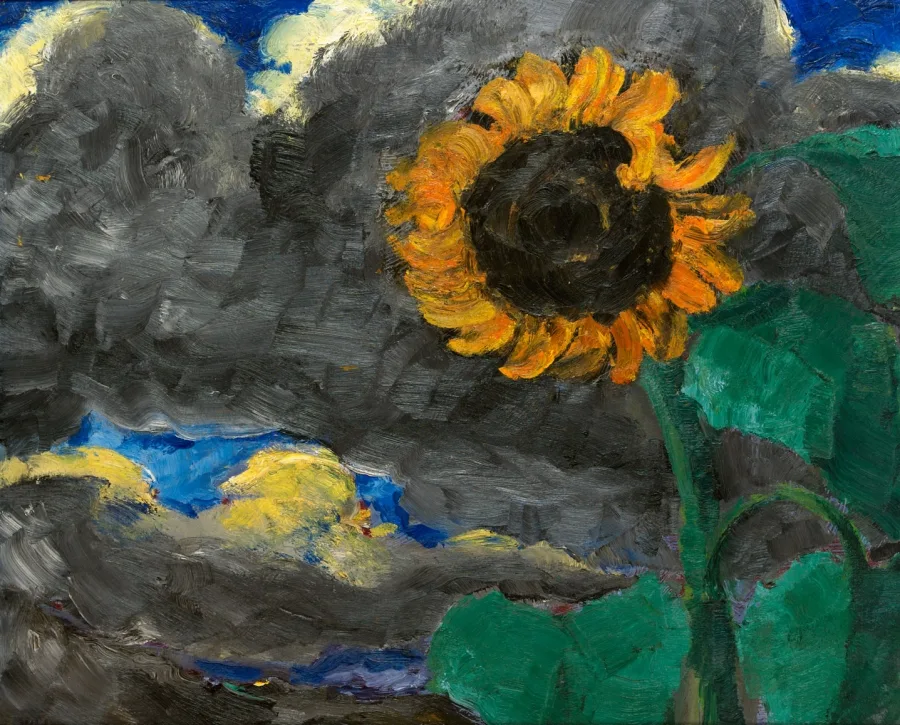
Emil Nolde, Sonnenblume, 1928
Oil on panel, 73 × 88.4 cm Signed lower left: Nolde; also signed Nolde and titled on the reverse
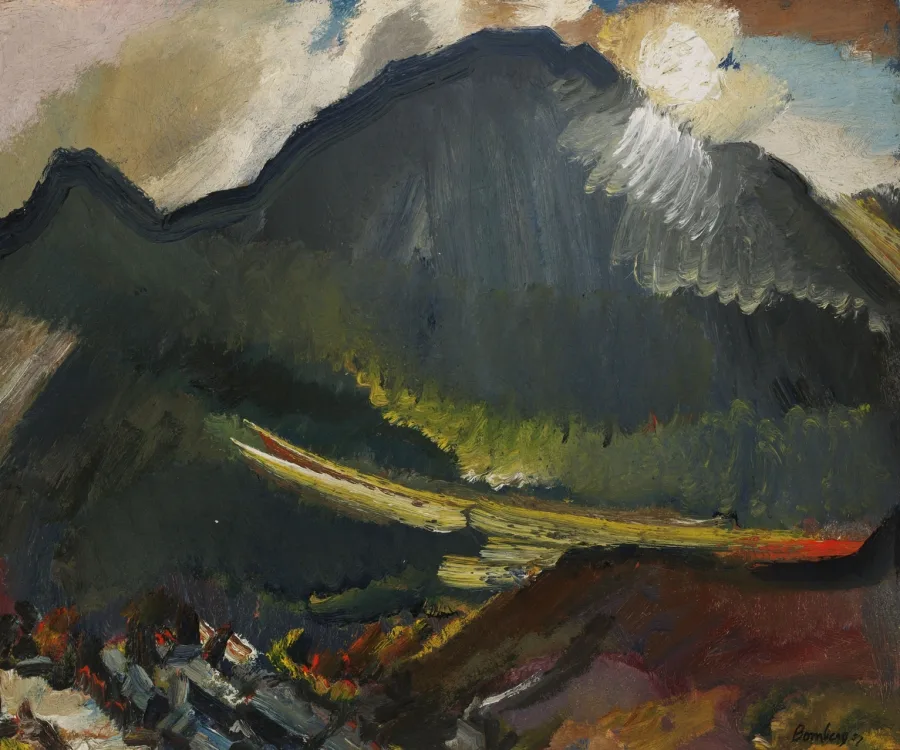
David Bomberg, Moonlight - Beddgelert, 1937
Oil on canvas, 51 × 61 cm Signed and dated lower right, signed and dated on the reverse
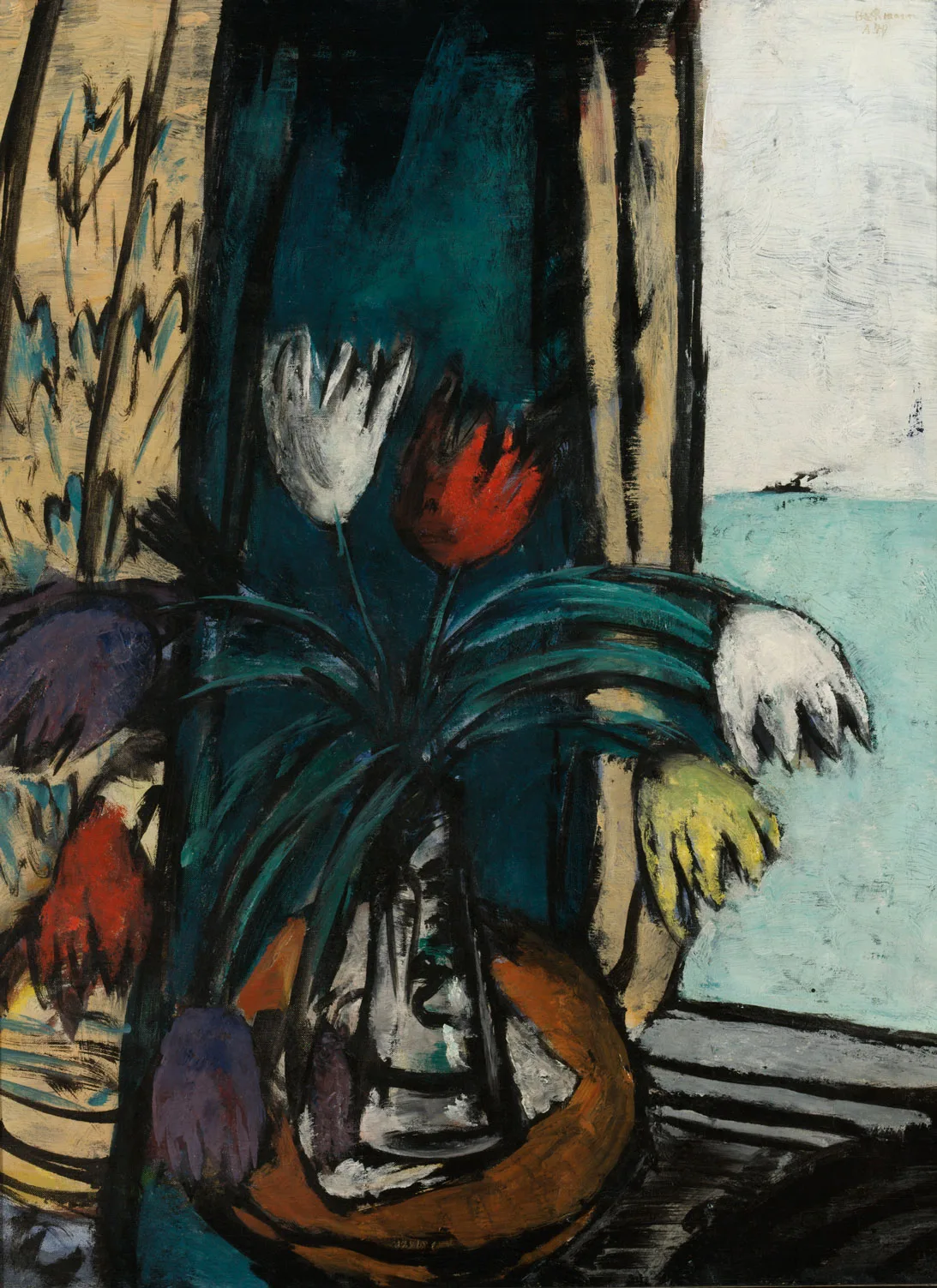
Max Beckmann, Stilleben mit Tulpen und Ausblick auf Meer, 1940
Oil on canvas 80.5 × 60.4 cm
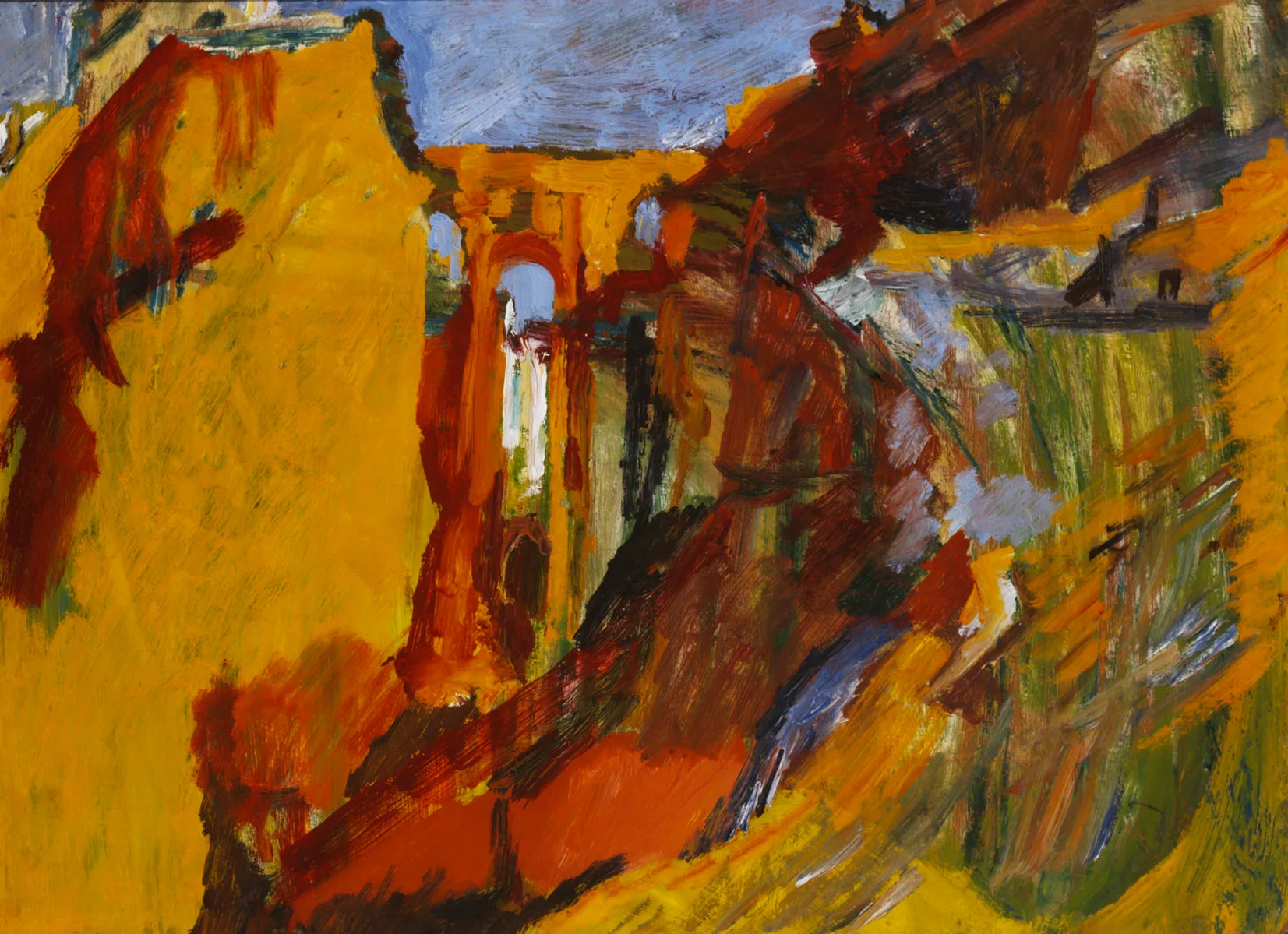
David Bomberg, Ronda Bridge at Tajo, 1954-57
Oil on panel 47 × 64.5 cm
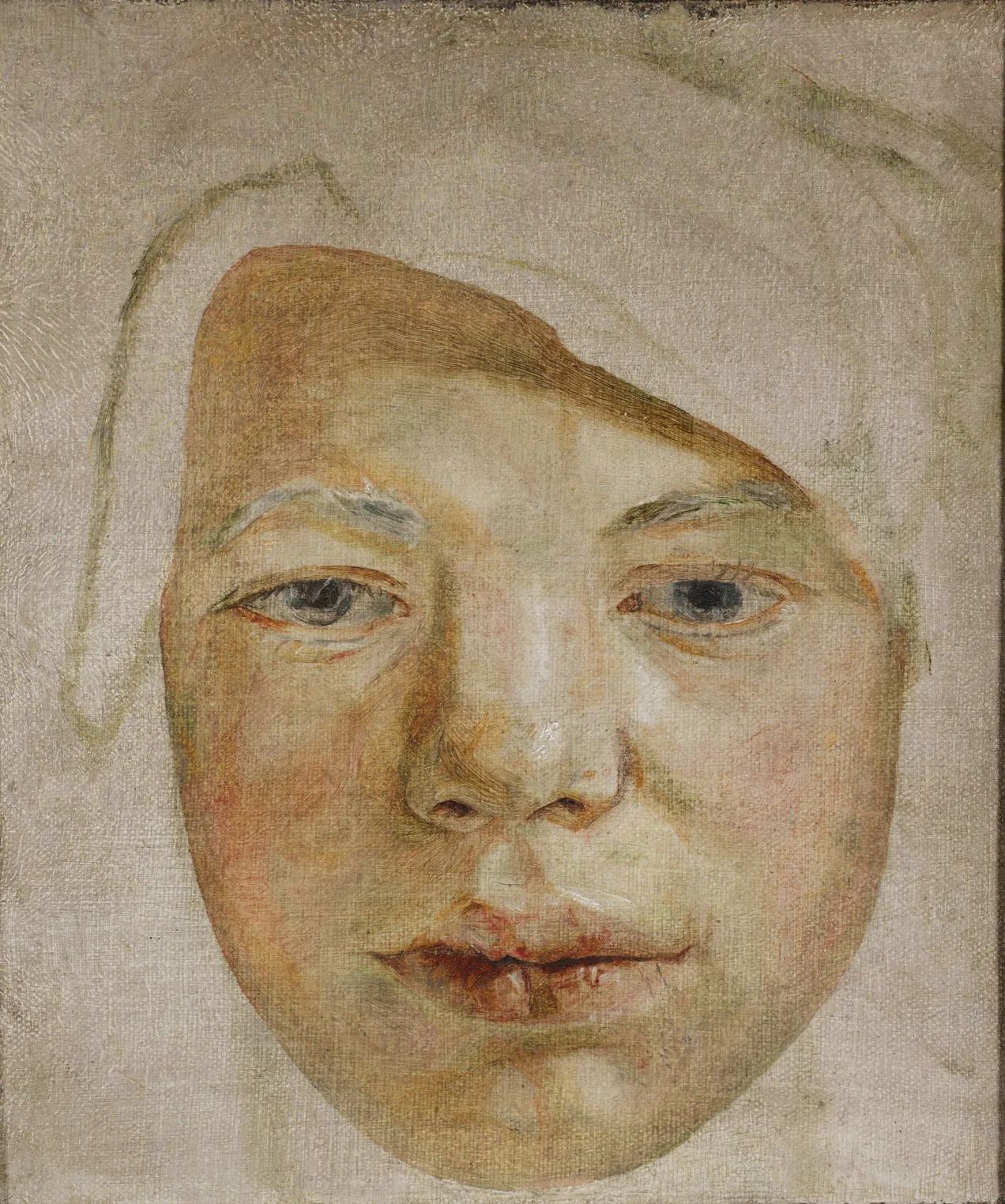
Lucian Freud, Portrait of Garech Browne, 16 years old, c.1956
Oil on canvas 21 × 18 cm
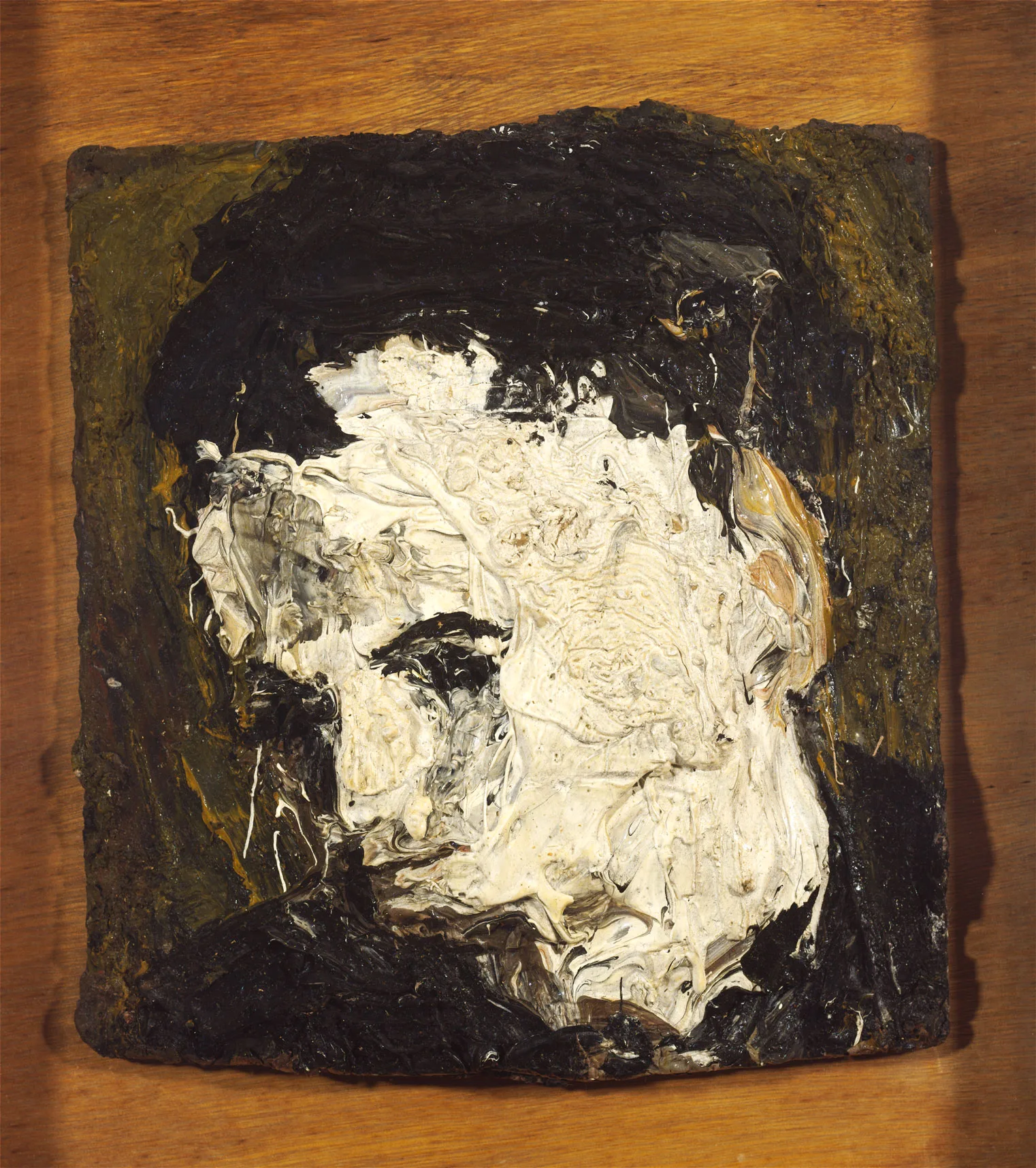
Franck Auerbach, Leon Kossoff, 1956
Oil on board 21.5 × 20.5 cm
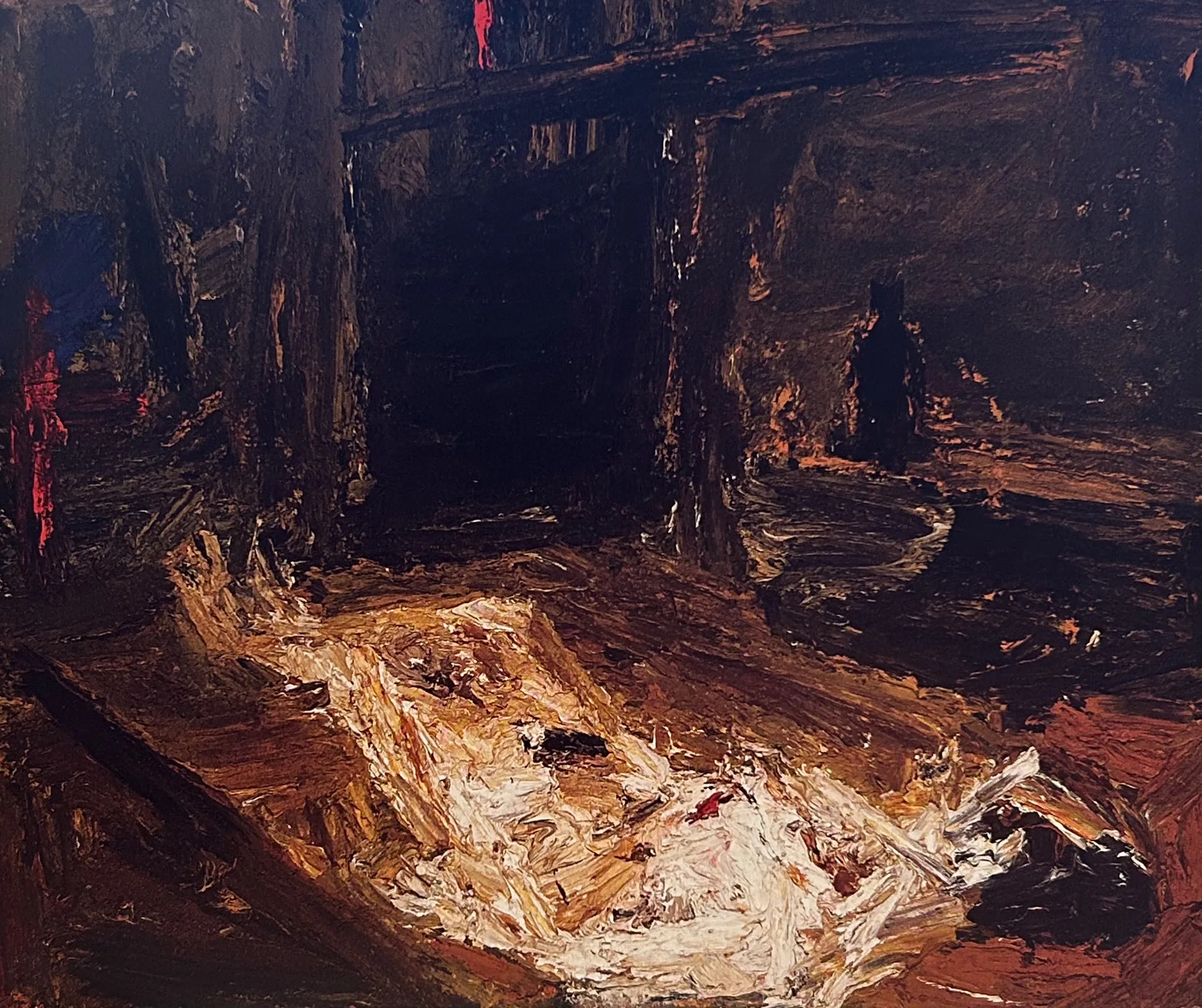
Franck Auerbach, Estella Olive West nude lying on her back, 1959
Oil on canvas 63.5 × 76.2 cm
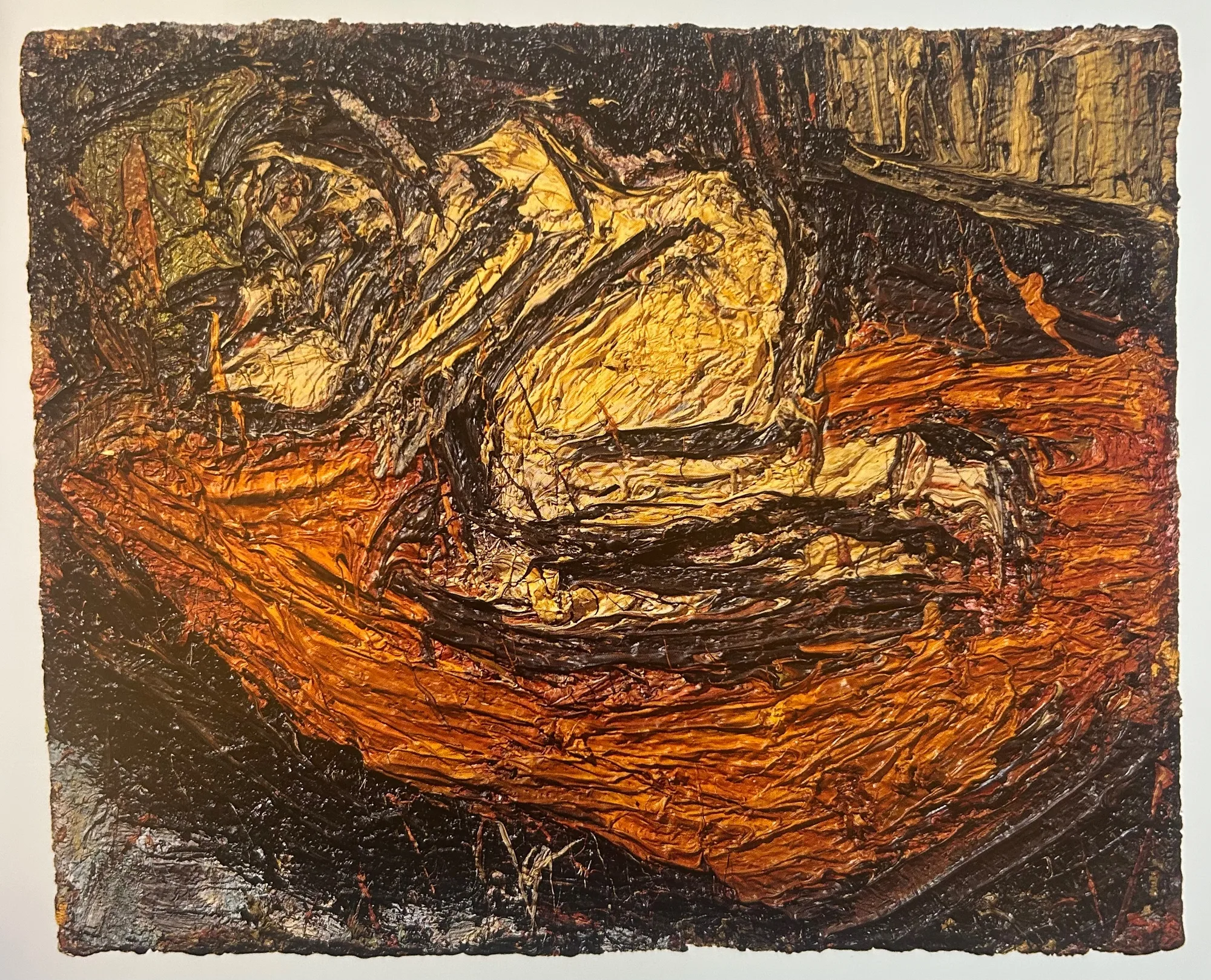
Leon Kossoff, Nude on a red bed, 1968
Oil on panel 61 × 77 cm
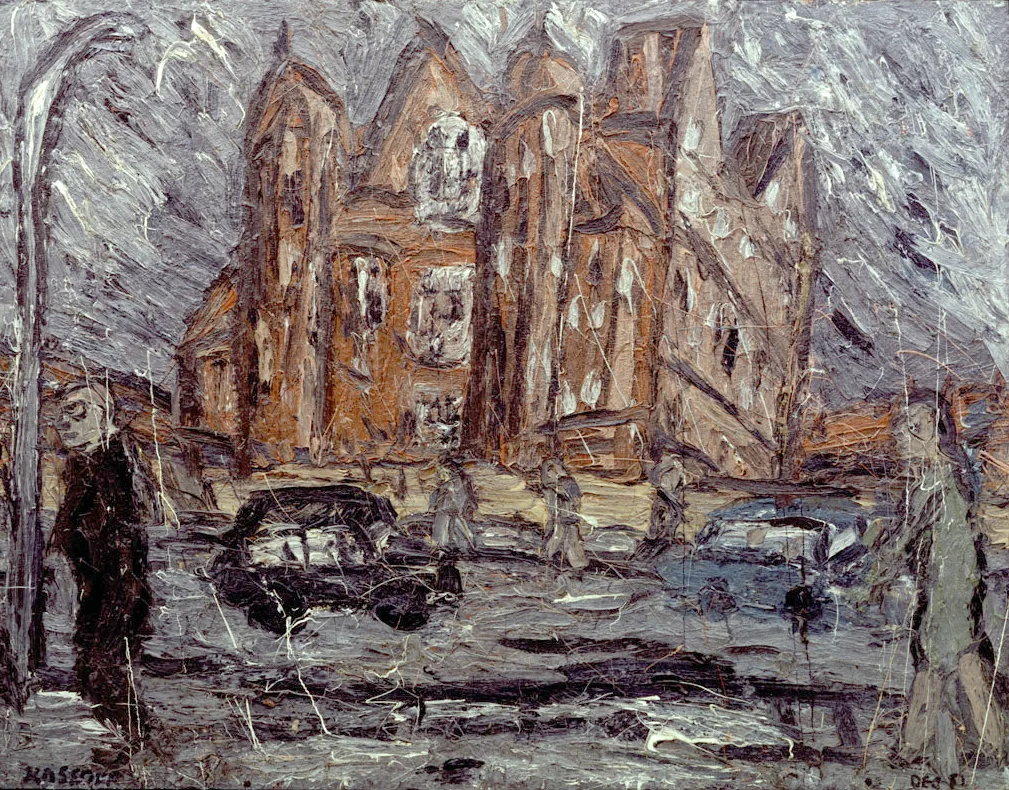
Leon Kossoff, School building, Willesden, 1981
Oil on board 90 × 175.2 cm
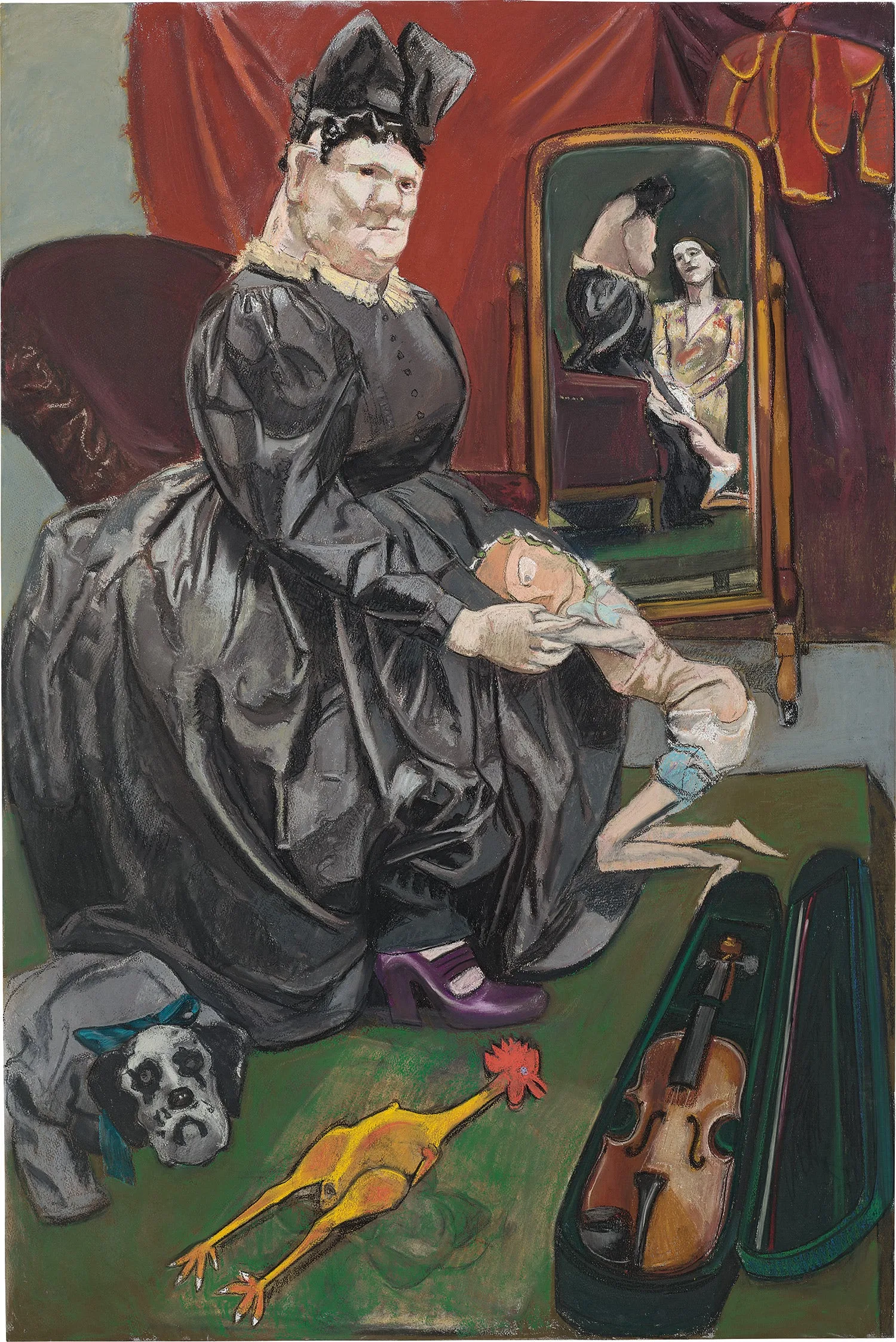
Paula Rego, The Aunt (Nada), 2006
Pastel on paper mounted on panel 180.1 × 119.8 cm