Luc Bellier, an Intuition for Art.
Luc Bellier belongs to a Parisian lineage that has been active on the art market since 1920 and has held a prominent place there to this day: from the historic sales conducted by Alphonse Bellier, regarded as the king of auctions when Paris was the world capital of the art trade, to the major collection of tribal art assembled by Jean-Claude Bellier, one of the three most important in the world in the 1960s, this family tradition has profoundly shaped several generations of art lovers and collectors.
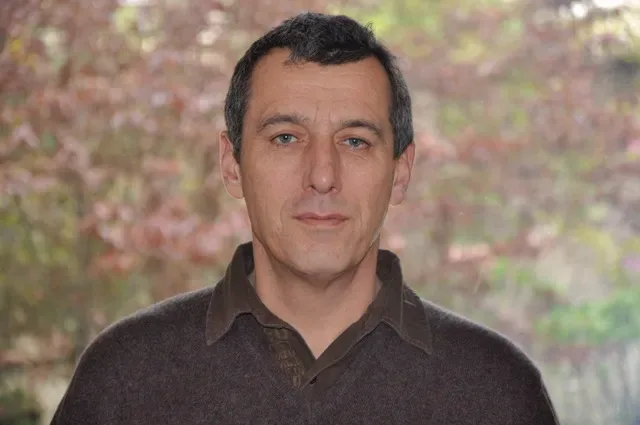
From an early age, Luc developed an intuitive perception, driven by a melancholic temperament and a marked hypersensitivity, which shaped his human experience and his relationship with the arts in all their diversity. As a teenager, fuelled by his passion for cinema, he was convinced that his path would be directing and producing films. And so, at 18, instead of going to university, he spent three months working on the shoot of a television production.
After that, he had the rare privilege of being right-hand man to the legendary Jacques Tati, a friend of the family, for another three months. In the days when only celluloid film was used, he took part, with Jacques’s daughter Sophie, an experienced film editor, in the romantic work of cutting and splicing film to complete the final production. At the same time, when the Cinémathèque was under the stewardship of Henri Langlois at the Trocadéro, and art-house cinemas were far more numerous than today, he regularly watched three films a day, of the greatest possible diversity, in both geography and period.
The Galerie Tendances
After his military service in Germany, including six months in hospital in Trier, he worked with production companies and special-effects firms whose phenomenally expensive machines were far less powerful than an ordinary computer today. Between two shoots, he seized the opportunity offered by a friend to assist her at the Galerie Tendances, on rue Quincampoix. Despite his family background, his knowledge of the fine arts and their history was negligible, to say the least. Yet his temperament and his film culture very quickly gave him the ability to grasp the alchemy at work in artistic creation.
For the Galerie Tendances, the task was to prepare an exhibition devoted to the Austrian artist Friedensreich Hundertwasser, who had agreed to lend seven superb paintings in the direct line of Gustav Klimt. Hundertwasser was an extremely cordial man, but also precise and demanding, and he left a strong impression on the young Bellier. This rare exhibition was a great success and one of the most rewarding experiences of his career. Hundertwasser had been very favourably impressed by the works of Art Informel that were the gallery’s speciality, in particular those of Jean Fautrier and Otto Wols. The opportunity also arose to show the war drawings of Otto Dix, so singular an artist, of whom Luc Bellier would become a specialist in the years that followed, selling many of his most important works.
The Quai Voltaire Gallery
When a new Bellier gallery opened on the quai Voltaire in 1988, opposite the Louvre, Luc was appointed its director and organised the exhibitions Édouard Vuillard: Le Chemin de la création and above all Polyptyques et Paravents, which brought together, in several sections, the art of the Far East, Renaissance ivories and paintings, the modern avant-gardes of the late 19th and 20th centuries, and a great many works by artists now as famous as Gerhard Richter, Helen Frankenthaler and Joan Mitchell. As chance would have it, at the same time, just across from the gallery, the Louvre was also holding an exhibition of polyptychs, under the direction of the eminent Michel Laclotte. Because of the speculative bubble of 1990 and its devastating effects on the economy, this was Luc Bellier’s last collaboration with his father, before he forged his own path.
The Rue de l’Élysée Gallery
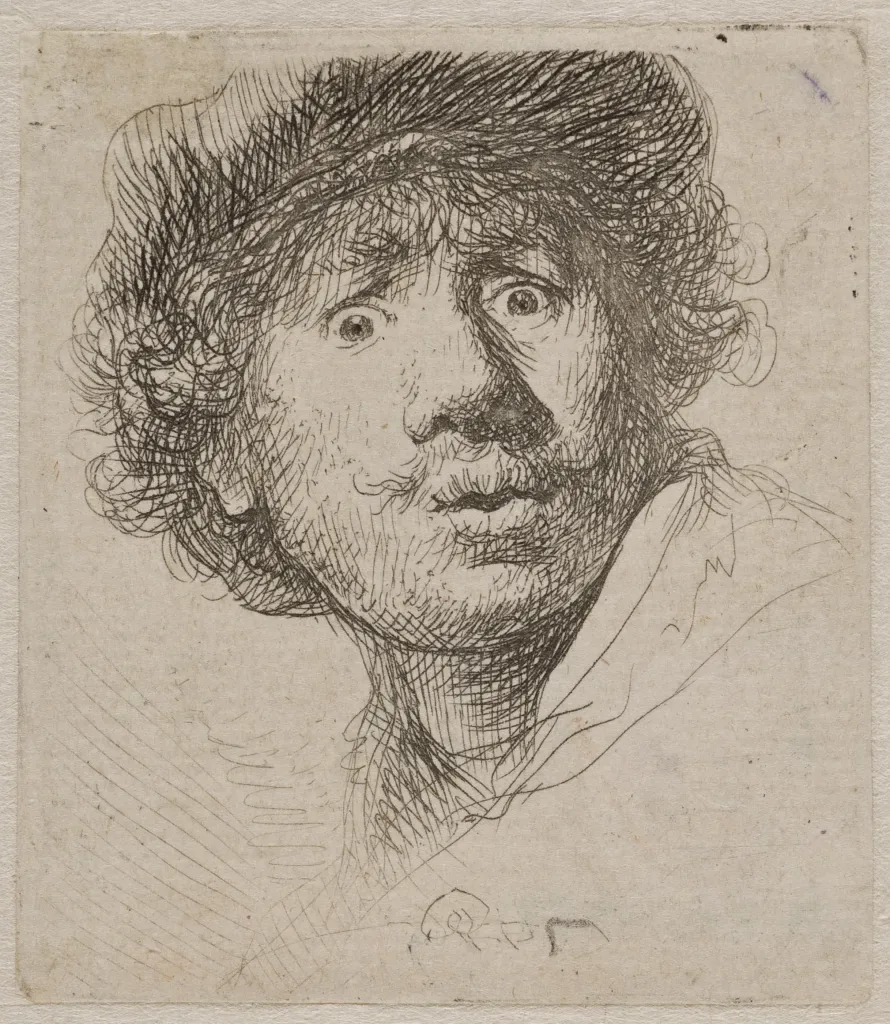
A few years later, he deliberately positioned himself away from the dominant trends, and in his exhibitions built unexpected dialogues between periods and media, such as setting an emblematic Rembrandt etching alongside an installation by Bill Viola.
In his gallery on rue de l’Élysée, so unique with its London-style architecture, he organised the only exhibition of paintings, watercolours and pastels by Edvard Munch ever shown in France. This was followed by major Vuillard and Picasso retrospectives — he sold a great many major works by both — as well as an exceptional selection of vintage prints by Jacques Henri Lartigue. His last thematic exhibition, From Berlin to London, drew a much-noticed connection between Grosz, Dix, Beckmann and Nolde and the School of London of Bacon, Freud and Auerbach.
Even before the rue de l’Élysée, Luc Bellier had worked with the greatest international institutions and collectors, notably on Edvard Munch’s masterpiece acquired by the Art Institute of Chicago, and he sold what Ronald S. Lauder himself, the museum’s founder, called the most important Otto Dix painting in the Neue Galerie. Over the years and to this day, his name has thus been associated with the most significant transactions on the modern art market, with leading private and public collections.
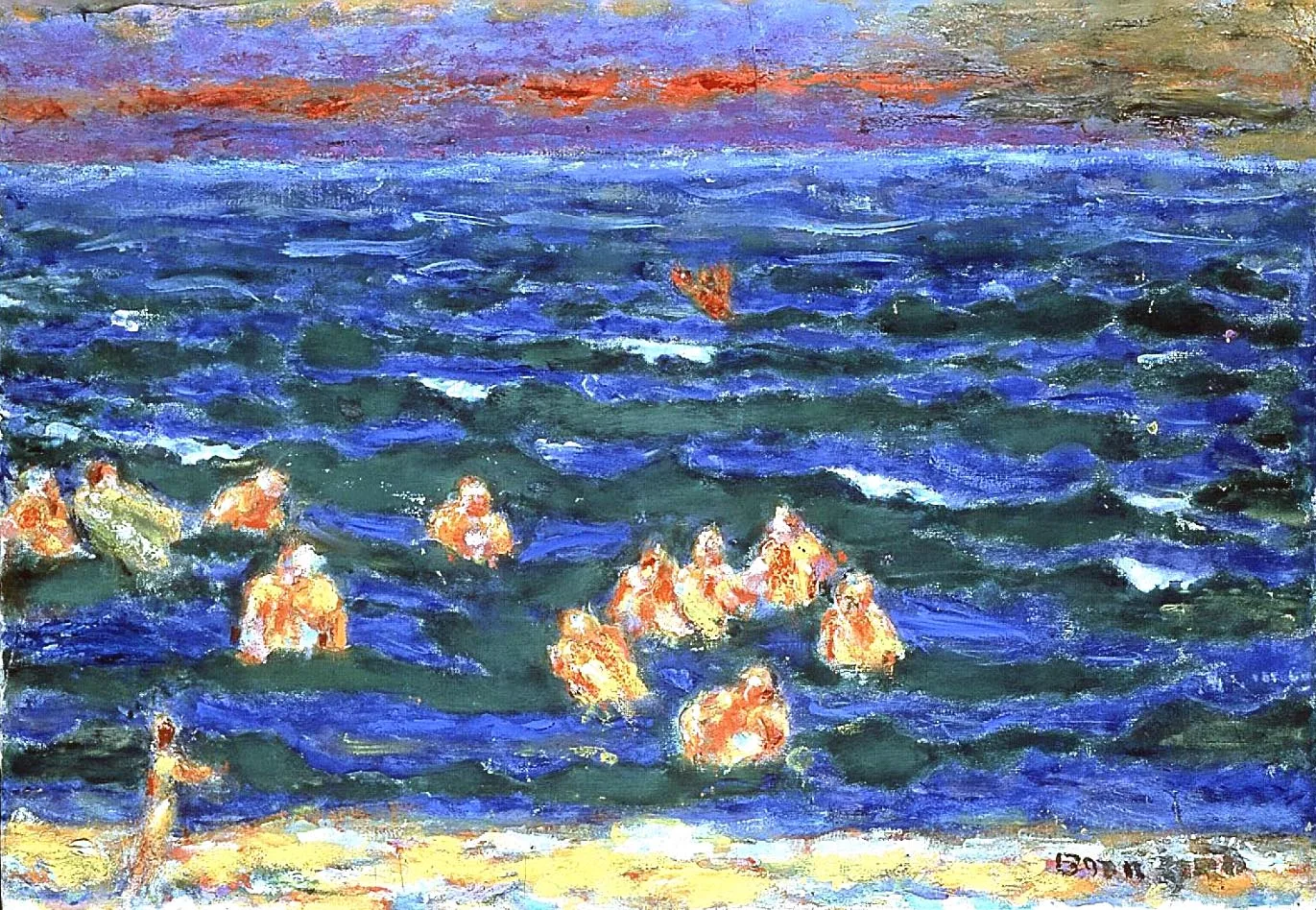
Donations by Luc Bellier
Alongside his work as an art dealer, he remains deeply committed to passing on heritage. Over the years, he has enriched several institutions with major donations, notably the Centre Pompidou, which received sixty-six works, as well as the Musée d’Orsay, the Musée Picasso, the Institut National d’Histoire de l’Art and the Musée National de la Céramique in Sèvres.
The Current Collection
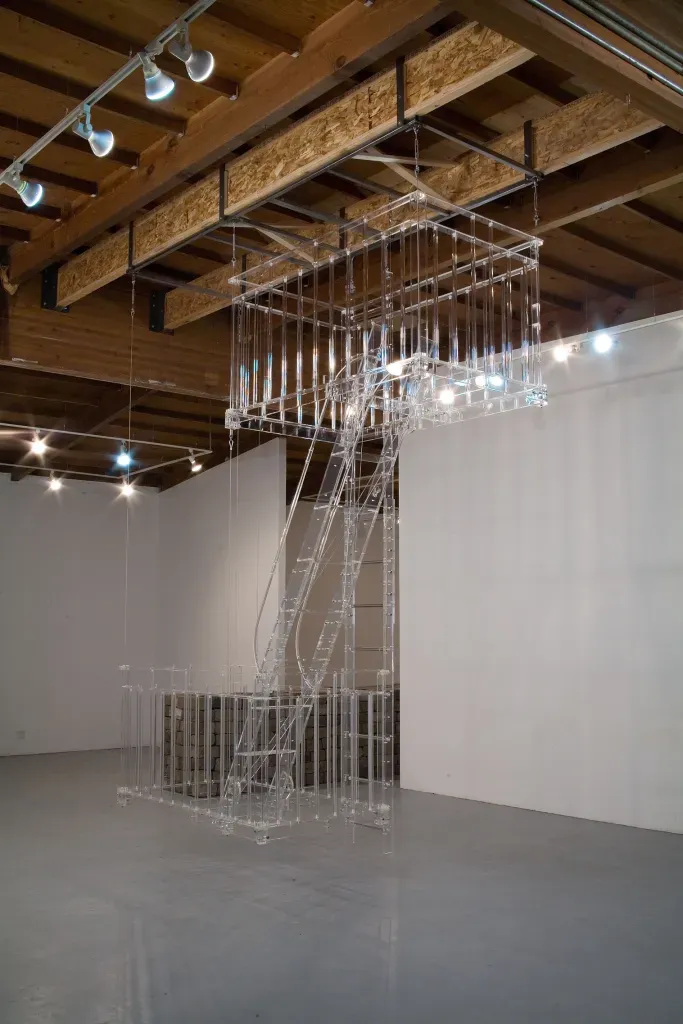
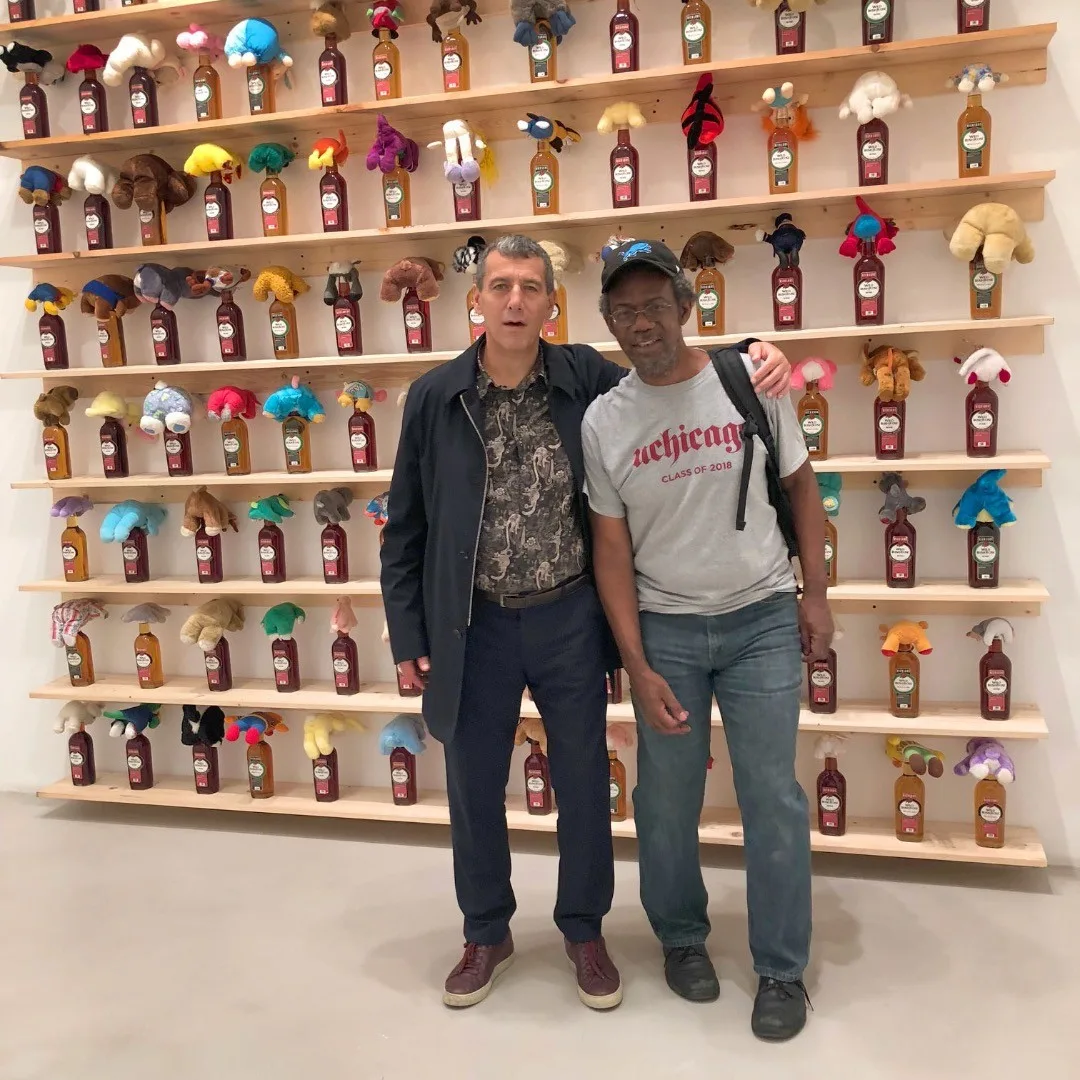
Today, he no longer runs a gallery and continues his work as an adviser and dealer. His collection, comprising nearly three hundred works, includes pieces by Richard Avedon, Vincent Desiderio, Julie Mehretu, Jim Campbell, Kori Newkirk, Pope.L, Paul Pfeiffer, Sharon Ya’ari and Tabaimo, as well as design from Art Nouveau to the present day, and Japanese, Khmer and tribal art. This eclectic ensemble nonetheless answers to the rigour and coherence of a singular eye, beyond the medium or period from which each work comes. His very personal interest in living artists is nevertheless grounded in a certain reserve, and in the observation that the plethora of initiatives, and the intemperance that governs them, too often lead to uncertain judgements and ever more cyclical fluctuations.